When Healthy Habits Turn Busy Days Into Real Work-Life Balance
The days blur together: emails late at night, meals grabbed between meetings, a brain that never quite powers down. Yet small, steady choices—a protected walk, an unrushed lunch, or simply shutting laptop lids on time—can quietly reclaim space for health, rest, and a fuller life.
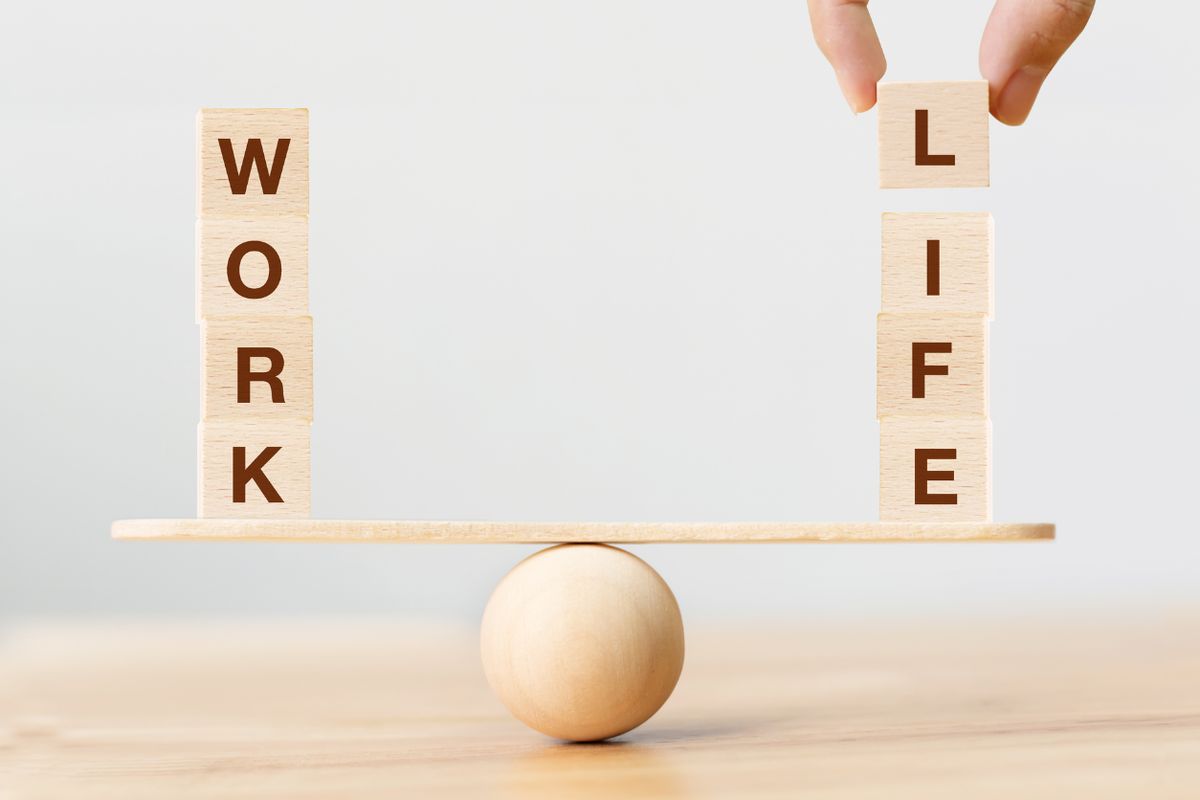
What A Sustainable Day Actually Feels Like
From “getting through it” to actually living it
Many people in busy roles don’t want a perfect life; they just want to get through the day without feeling empty. The difference is subtle but real. On the surface, two people can work the same hours and handle similar tasks. Inside, one feels constantly on edge, always behind, mind jumping between windows and worries. The other is just as busy, yet notices moments of calm: a proper lunch, a short walk, a clear “enough for today” point. That feeling doesn’t come from huge life overhauls. It grows from small, repeatable choices that protect energy instead of burning through it.
Why your body calls the shots before your willpower does
When sleep keeps shrinking, meals turn random, and movement disappears, the body quietly flips into survival mode. First comes tiredness, then more irritability, then slower thinking and patchy memory. Many people blame themselves for “lacking discipline” or “not being tough enough,” while their system is simply overloaded. Long‑running strain nudges up health risks and makes everyday tasks feel heavier than they should. Grabbing sweets or energy drinks between meetings gives a short buzz, followed by a longer crash. It’s less about moral strength and more about biology asking for basics: steady food, real rest, and chances to move.
The emotional gap that pure productivity can’t fill
Finishing every task but feeling strangely absent from your own life is a common modern ache. Deep down, most people don’t just want output; they want to feel present in their relationships, hobbies, and quiet time. Routines that support health are not about turning into a machine. They exist so that there is still a “you” left after the workday: enough patience to listen, enough curiosity to enjoy, enough softness to feel connected. Balance is less “work less, live more” and more “work with rhythm, live with attention.” Busy stays, but the edges soften.
Everyday Habits That Quietly Protect Your Energy
Turning rushed meals into real fuel
Food is often the first thing sacrificed. Breakfast disappears, lunch becomes whatever arrives fastest, afternoons run on caffeine and snacks. The result shows up as mid‑day brain fog, mood swings, and that wired‑but‑tired feeling at night. A realistic shift is not a perfect diet, but a few steady anchors: one proper meal at roughly the same time each day, some protein and fiber, fewer sugar spikes from constant sweet drinks. Keeping simple, better‑than‑nothing options nearby—like nuts, fruit, or yogurt—prevents going from “starving” to “stuffed.” Stepping away from the screen for even ten minutes to eat tells the nervous system, “this is a break,” not just more multitasking.
Letting sleep take the front row, not the leftovers
Sleep often becomes whatever is left after work, chores, and scrolling. Over time, the body adapts to being in debt, and tiredness starts to feel normal. Yet the signs are there: shorter fuse, fuzzy decisions, reaching for quick fixes all day. Instead of aiming for a perfect bedtime, start by protecting a consistent window, even if it’s just twenty minutes earlier than usual. Creating a quiet pre‑sleep buffer—dim lights, no work messages, gentle stretching, or a light book—teaches the brain to land. If sleep does not come right away, staying off fast‑moving content helps more than another hour of feeds. Gradually, bed becomes linked with rest again, not worry.
Moving just enough to unlock a calmer mind
Many people think movement only “counts” if it’s a full workout, so they do nothing when time is short. The body, however, responds even to tiny changes. Standing up every hour, rolling shoulders, walking to refill water, or pacing during audio calls can ease stiffness and refresh focus. Short, regular bursts beat heroic, rare efforts. When longer sessions are possible, enjoyment matters more than perfection: dancing in the living room, brisk walks, gentle strength work, or team sports all qualify. The main measure is not steps on a tracker but how you feel: sleeping deeper, thinking clearer, emotions less jagged.
Building a small emotional “buffer zone”
Under pressure, the mind often loops: “I’ll never catch up,” “I’m failing,” “everyone else is coping.” These thoughts feel like facts but are often just stress talking. Simple micro‑rituals can keep them from taking over. Before starting a new task, pause for three slow breaths and notice your body: jaw, shoulders, chest. Pick one everyday moment—opening the laptop, sitting on the train, turning the key at home—as a cue to breathe, not doom‑scroll. Jotting down a few lines like “What’s worrying me most?” or “One thing that went OK today” moves feelings from spinning in your head to sitting on paper, where they’re easier to see and sort.
| Tiny Ritual | What It Gently Supports | When It Fits Best |
|---|---|---|
| Three deep breaths before tasks | Calmer nervous system, less impulsive reactions | Between meetings or emails |
| Two minutes of stretching | Releases tension, boosts alertness | After long sitting blocks |
| Short daily note in a notebook | Clearer thoughts, more perspective | End of the workday |
| Screen‑free lunch break | Better digestion, real mental pause | Midday, even if brief |
These micro‑habits look small, yet stitched together they form a soft landing spot inside a demanding day.
Time, Screens And Focus: Creating Bounded Busyness
Using a loose plan to choose, not to control
Structured days do not have to feel like a prison. A light daily plan actually saves mental energy by reducing constant micro‑decisions. Separating “must‑do” from “nice‑to‑do” tasks, and breaking work into smaller chunks, turns big, vague duties into steps you can complete even when interrupted. Leaving intentional “buffer blocks” in the calendar helps absorb delays, emergencies, or low‑energy patches. Instead of chasing the fantasy of a perfectly executed schedule, the aim is a flexible frame that protects what truly matters and forgives the rest.
Helping strong focus learn when to stop
Some people slip into deep concentration so easily that hours vanish. This can be a gift for complex projects, but it quietly erases breaks, meals, and social time. Expecting pure willpower to pull you out rarely works once you’re “in the zone.” External prompts help: a gentle alarm every 45–60 minutes, a rule to stand whenever you finish a section, or a coworking partner who checks in at agreed times. Pair each break with a tiny physical reset—walk to the window, drink water, stretch your back. The goal is not to weaken focus but to make it sustainable, so it doesn’t devour the rest of life.
Making Modern Setups Work For You
Turning travel time into a real buffer
For those who commute, the journey often feels like a tax on life. Reframing parts of it as “transition time” helps. Calming audio, gentle breathing, or simply looking out the window instead of scrolling can lower nervous system strain. If possible, adding a short walk before or after travel loosens tension and clears the head. Tiny arrival rituals—stretching, a glass of water, a few deep breaths before talking to anyone at home—mark the shift from work mode to personal mode, so the commute no longer drags your mind back to the office all evening.
Remote days that don’t swallow the entire house
Working from home can feel like freedom or like being trapped in a never‑ending shift. A small, intentional workspace—whether a whole room or one side of a table—gives your brain a visual cue for “on duty.” Simple ergonomic tweaks, like raising the screen and supporting your lower back, protect your body over long stretches. Headphones, shared quiet hours, or even a small sign can reduce interruptions. At the end of the day, fully shutting devices, packing them away, or covering the work spot breaks the spell of “I could always do one more thing.” Remote work then becomes a tool for flexibility, not a doorway to being always available.
Letting balance be something you practice, not chase
Life will always have crunch weeks, late nights, and messy days. The aim isn’t to engineer a flawless existence but to build enough habits, boundaries, and small rituals that you don’t disappear inside the workload. Each protected lunch, each earlier bedtime, each phone‑free walk is not a token gesture; it is a quiet vote for a version of your life where work matters, health matters, and you still get to feel like yourself. Over time, those votes add up to days that are still full—but no longer overflowing.
Q&A
-
How can busy people build daily healthy lifestyle habits without overhauling their routine?
Start by habit-stacking: add short walks to calls, drink water before coffee, prep simple breakfasts, and set fixed sleep/wake times. Small repeatable actions beat drastic but short‑lived changes. -
What are simple healthy lifestyle tips for people who sit at a desk all day?
Use the 50/10 rule (50 minutes work, 10 minutes movement), adjust screen height, keep water nearby, eat protein-rich snacks, and schedule a brief outside walk for daylight exposure. -
How can remote workers improve work-life balance when home and office are the same place?
Create a clear “start” and “end” ritual, work in a defined zone, use calendar blocks for breaks and personal time, and turn off work notifications after hours to rebuild boundaries. -
What are practical work-life balance tips for modern professionals with unpredictable schedules?
Protect a few non‑negotiables—sleep window, one daily meal without screens, and a 10–15 minute movement block—then flex everything else around them to maintain stability under change. -
How can someone gradually achieve work-life balance in modern life without hurting their career?
Align boundaries with performance: clarify priorities with your manager, group deep work into focused blocks, communicate availability clearly, and show results so reasonable limits are respected.